
Views: 0 Author: Site Editor Publish Time: 2025-12-16 Origin: Site


Mining conveyor belts are essential in the efficient movement of materials in mining operations. However, one of the most common issues faced with these conveyor systems is belt misalignment. Misalignment can cause significant operational delays, increased maintenance costs, and even severe damage to the system if left unchecked. Preventing mining belt misalignment is not only essential for maintaining the smooth operation of your mining equipment but also for maximizing the machine's cost-effectiveness. In this article, we will explore why mining belt misalignment occurs, its impacts, and effective strategies to prevent it, ensuring that your operations remain cost-efficient and uninterrupted.
Mining belt misalignment occurs when the conveyor belt deviates from its intended path. This deviation can happen in several directions, including lateral misalignment, which makes the belt move to one side, or horizontal misalignment, which causes the belt to move in a zig-zag manner. Misalignment often leads to poor performance and premature wear and tear of the equipment.
Misalignment can be caused by various factors, such as improper installation, poor maintenance, worn-out components, or environmental factors such as heavy load distribution. It's important to understand the underlying causes of misalignment to implement effective corrective measures.
Misalignment can lead to several detrimental effects on the mining operation:
Increased Wear and Tear: When the conveyor belt is misaligned, it puts additional stress on the pulleys, rollers, and the belt itself, leading to faster wear and tear, increasing maintenance costs.
Damage to Belt and Components: Continued misalignment can lead to the belt's edges being worn down, causing permanent damage to both the belt and its components.
Operational Downtime: Misalignment can cause the belt to slip or even derail, resulting in costly downtime. This disrupts productivity and delays project timelines.
Energy Inefficiency: A misaligned conveyor belt operates less efficiently, leading to higher energy consumption, which increases operational costs.
By taking proactive steps to prevent misalignment, mining operations can save significantly on maintenance costs, reduce energy consumption, and avoid costly downtime.
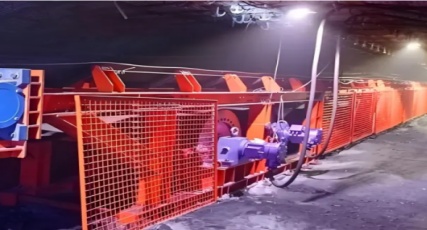
Mining conveyor belts are essential for transporting materials in mining operations, but belt misalignment is one of the most common issues that can hinder their efficiency. Preventing misalignment requires a multi-faceted approach, including proper installation, regular monitoring, and routine maintenance. Below, we outline the key strategies to ensure your mining conveyor belt remains aligned, minimizing disruptions and keeping operations running smoothly.
Proper installation is the first step in preventing mining belt misalignment. Incorrect installation can be a leading cause of misalignment, which often results in early-stage operational problems, such as uneven wear, increased maintenance costs, and even unexpected system breakdowns.
Key Installation Practices:
Align the Pulleys and Rollers: Pulleys and rollers play a crucial role in guiding the conveyor belt along its path. Misaligned pulleys or rollers will directly affect the belt’s alignment and can lead to belt drift or tracking issues. Ensure that all pulleys and rollers are properly aligned with the conveyor structure. Using alignment tools during installation can help guarantee accurate positioning and reduce future problems.
Check the Frame Alignment: The conveyor frame must be level and aligned to ensure that the belt runs in a straight line. Any structural misalignment in the frame can lead to tracking problems and cause the belt to wander, resulting in additional wear and reduced system lifespan. Always ensure the frame is properly positioned before running the system.
Install Tracking Devices: Automatic tracking devices are valuable tools to help keep the conveyor belt centered along its designated path. These devices can make real-time adjustments to the belt’s alignment, minimizing the risk of misalignment. A properly installed tracking system will significantly reduce the need for manual intervention and maintain efficient operations.
Once the conveyor belt is installed, it is essential to monitor its alignment regularly. Frequent inspections and proactive monitoring will help identify early signs of misalignment before they escalate into more significant issues that could lead to costly repairs or downtime.
Monitoring Techniques:
Visual Inspections: Conduct routine visual inspections to check the alignment of the conveyor belt, especially around the belt edges, pulleys, and rollers. Look for any signs of wear, fraying, or uneven tension. Early detection of these problems allows for corrective actions before they worsen and lead to larger issues.
Belt Alignment Sensors: Advanced belt alignment sensors can be used to monitor the belt’s alignment in real time. These sensors alert operators when the belt begins to deviate from its intended path, allowing for immediate corrective action. By integrating these sensors into your system, you can address potential misalignment issues before they impact operations.
Use of Laser Systems: Laser measurement systems provide precise measurements of belt alignment. These systems are capable of detecting even slight deviations and ensuring that the conveyor belt operates within the desired specifications. Regular use of laser systems can ensure that the conveyor remains aligned with minimal manual intervention.
Proper maintenance is crucial to prevent misalignment from occurring in the first place. Routine maintenance ensures that all components of the conveyor system operate at peak efficiency and helps reduce the risk of misalignment due to worn-out parts or improper adjustments.
Key Maintenance Practices:
Roller and Pulley Maintenance: Regularly inspect and replace worn-out rollers and pulleys to prevent misalignment. Damaged or improperly functioning rollers can cause uneven tension on the belt, leading to tracking issues. Ensuring that rollers are free of debris and well-maintained can keep the conveyor belt moving smoothly.
Tension Adjustment: The conveyor belt should be tensioned according to the manufacturer’s specifications. Over-tightening or under-tightening the belt can lead to improper belt movement and cause misalignment. Regularly check the tension of the belt and make adjustments to ensure it remains within the proper range for optimal performance.
Lubrication: Lubricating moving parts of the conveyor system, including rollers and pulleys, helps minimize friction and wear. A well-lubricated system is less likely to experience component failure, reducing the chances of misalignment due to worn-out parts. Use high-quality lubricants and follow recommended maintenance schedules to keep the system operating smoothly.
Belt Tracking Systems: A belt tracking system can be installed to automatically correct minor deviations in the belt’s alignment. These systems continuously adjust the belt’s position as necessary without requiring manual intervention. Belt tracking systems reduce downtime and keep operations running smoothly by preventing minor misalignments from escalating into more significant issues.
Uneven load distribution is a major cause of mining belt misalignment. When materials are loaded unevenly onto the conveyor belt, it can cause the belt to pull to one side, leading to misalignment.
Tips for Proper Load Distribution:
Even Loading: Ensure that the material is evenly distributed along the conveyor's length. Uneven load distribution can strain the belt and rollers, increasing the risk of misalignment.
Use of Feed Chutes: Properly aligned feed chutes help distribute materials evenly onto the conveyor belt, preventing excess weight from building up on one side.
Load-Sensing Equipment: Invest in load-sensing equipment that can detect uneven loading in real-time. This technology allows for adjustments to be made automatically to ensure proper distribution.
Environmental factors, such as extreme temperatures or wet conditions, can exacerbate conveyor belt misalignment. It's important to consider these factors during installation and maintenance to ensure that the conveyor system operates smoothly.
Environmental Factors to Watch For:
Temperature Fluctuations: High temperatures can cause materials to expand and affect the alignment of conveyor components. Ensure that the system is designed to withstand temperature fluctuations.
Dust and Debris: Mining environments often produce dust and debris that can accumulate on the conveyor belt and its components. This accumulation can cause misalignment or interfere with the belt's operation. Regular cleaning is essential.
Moisture and Wet Conditions: Excess moisture can cause the belt to slip or move unevenly. Ensure that the conveyor system is equipped with adequate drainage to minimize the risk of wet conditions causing misalignment.
A skilled and informed workforce plays a critical role in preventing mining belt misalignment. Operators should be trained to recognize signs of misalignment and understand how to make adjustments or call for professional assistance when necessary.
Training for Operators:
Belt Alignment Techniques: Train operators to identify the early signs of misalignment, such as unusual noises, vibrations, or visible belt wear.
Routine Inspections: Encourage operators to regularly inspect the conveyor system and perform basic maintenance tasks, such as checking belt tension and lubrication levels.
Mining belt misalignment can cause significant disruptions to operations, but with the right precautions, these issues can be effectively avoided. By focusing on proper installation, regular monitoring, maintenance, and ensuring proper load distribution, mining operations can keep their conveyor belts running smoothly and cost-effectively.
To learn more about how to improve the performance and longevity of your mining conveyor belts, or to consult on reliable conveyor systems, visit www.kwyconveyor.com. Our team of experts is here to provide you with cost-effective solutions that meet your operational needs.


