
Views: 0 Author: Site Editor Publish Time: 2025-12-23 Origin: Site


Mining belts are the backbone of material handling systems in the mining industry. Whether it's moving ores, coal, or aggregates, conveyor belts are essential for efficient and continuous operation. However, these machines are often exposed to harsh and challenging environments, such as extreme temperatures, abrasive materials, and continuous wear and tear. For mining operations to achieve optimal efficiency, it is critical to focus on the maintenance of these essential machines. Proper mining belt maintenance ensures longevity, maximizes performance, and reduces costly downtimes.
The mining industry operates in demanding environments, and the equipment is subjected to constant physical stress. Conveyor belts, particularly, are exposed to abrasive materials, heavy loads, and constant friction. Over time, this can take a toll on the belt’s performance. Without proper maintenance, belts can suffer from premature failure, leading to expensive repairs or replacements.
Regular maintenance not only ensures the mining belt’s longevity but also helps improve the overall performance of the mining operations. A well-maintained belt ensures smooth material flow, reduces the risk of breakdowns, and minimizes interruptions to production. In turn, this leads to greater efficiency, lower operational costs, and a safer working environment.
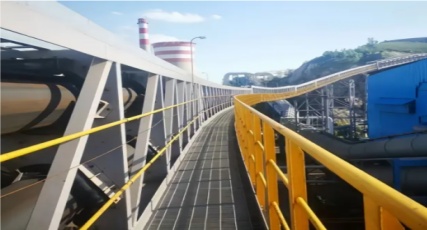
To ensure the efficient performance of mining conveyor belts over time, it’s essential to adopt best practices for maintenance. These practices cover everything from daily inspections to in-depth repairs, ensuring that the belt operates at peak performance.
Routine inspections are the first line of defense against potential conveyor belt failures. Ideally, these inspections should be conducted daily to check for any obvious signs of wear and tear. Key areas to inspect include:
Belt Alignment: Misalignment of the belt can cause excessive wear on the pulleys, rollers, and the belt itself. Misalignment can be caused by debris, improper tension, or incorrect pulley adjustments. Regular alignment checks will help ensure smooth operation.
Surface Condition: The surface of the belt should be checked for signs of excessive wear or damage, such as cracks, tears, or fraying. These can occur due to the abrasive materials being moved or insufficient cleaning of the belt.
Pulley and Roller Wear: The pulleys and rollers play a crucial role in keeping the belt moving efficiently. Over time, they can become worn out, leading to poor belt tracking and increased strain on the motor. Ensuring these components are in good working order can prevent costly breakdowns.
Tension Checks: Proper tension is vital for the belt’s operation. Too much tension can cause excessive wear, while too little can lead to slippage. Regular tension checks will help you adjust the belt tension as necessary to maintain optimal performance.
Cleanliness is crucial for the efficiency and longevity of the mining belt. Dirt, dust, and other materials can accumulate on the surface of the belt and cause friction, which leads to wear and tear. To maintain proper performance, it’s important to clean the belt regularly.
Use a Proper Cleaning System: Depending on the type of material being transported, conveyor belts should be cleaned with a system that doesn’t damage the surface. Common cleaning methods include using brushes, air blowers, or water sprays.
Remove Build-up Promptly: Make sure to address any material build-up on the belt as soon as it occurs. This includes any debris that could obstruct the belt’s movement and increase friction.
Clean the Pulleys and Rollers: Cleaning the pulleys and rollers is just as important as cleaning the belt itself. Material build-up on these components can lead to misalignment or wear on the belt, so routine cleaning should not be overlooked.
Proper tension and tracking are essential for the mining belt’s performance. Without the right tension, the belt could slip or run inefficiently, leading to unnecessary strain on the motor. Similarly, improper tracking can cause the belt to move off-center, leading to uneven wear and potential damage.
Adjust Tension Gradually: Tension should be adjusted incrementally to avoid putting too much stress on the belt or causing damage to other components. Always follow manufacturer guidelines for tension settings.
Check Tracking Regularly: Belt tracking should be checked to ensure that the belt runs straight and aligned with the system. This is especially important in applications where the conveyor belt is handling heavy loads or running at high speeds.
Lubrication is essential for reducing friction and preventing wear in the mining belt system. Key components such as pulleys, rollers, and bearings need proper lubrication to maintain smooth movement and reduce the risk of premature failure.
Use High-Quality Lubricants: Always use the recommended lubricants for your system. High-quality lubricants reduce friction and are better suited for the harsh environments typical of mining operations.
Lubricate Regularly: Create a lubrication schedule for your equipment to ensure that components remain properly lubricated. Neglecting this can lead to increased wear and eventual failure of moving parts.
When parts of the mining conveyor belt system show signs of wear or damage, they should be replaced immediately to prevent further damage to the belt. Delaying repairs or replacements can lead to more extensive damage and higher repair costs down the line.
Monitor for Wear: Regularly check components such as rollers, pulleys, and tensioners for any signs of damage. If any parts are found to be worn or broken, replace them promptly to maintain the belt’s efficiency.
Don’t Ignore Small Issues: Minor issues, such as small tears or slight misalignments, may seem insignificant but can quickly escalate into major problems if not addressed. Don’t wait for a problem to worsen.
The drive system, which includes the motor, gearbox, and other mechanical components, is essential for the belt’s movement. If the drive system is not functioning properly, it can cause the conveyor belt to operate inefficiently, or even stop completely.
Check Motor Performance: Regularly check the motor’s performance to ensure it’s running smoothly. This includes checking for unusual sounds or overheating.
Inspect Gearboxes and Drive Chains: Gearboxes and drive chains are critical to the operation of the conveyor. Ensure these parts are maintained and properly lubricated to avoid system breakdowns.
Even with the best equipment and maintenance practices, a lack of training can lead to operational issues. Operators and maintenance staff should be well-trained in recognizing potential problems and following the best maintenance practices.
Educate Operators on Belt Management: Ensure operators understand the importance of proper belt tension, tracking, and cleanliness, as well as how to recognize early signs of wear or damage.
Implement Preventive Maintenance Training: Regular training on preventive maintenance techniques ensures that your team is proactive in keeping the mining belt system running smoothly and can address issues before they lead to breakdowns.
By adhering to regular mining belt maintenance practices, you can ensure that your conveyor belts run smoothly and efficiently for years. Here are some benefits of well-maintained belts:
Increased Equipment Longevity: Regular inspections and maintenance help extend the life of the belt, reducing the need for costly replacements.
Optimized Performance: Proper maintenance ensures that the belt runs at peak efficiency, minimizing downtime and maximizing throughput.
Cost Savings: By preventing major breakdowns and costly repairs, investing in maintenance saves your operation money in the long term.
Safety Improvements: A well-maintained belt is safer for both operators and the environment. It minimizes the risk of accidents and ensures smooth material handling.
Neglecting mining belt maintenance can lead to serious consequences. While it may seem like cutting corners saves money, it can actually cost you more in the long run. Here are some risks of not maintaining your conveyor belts properly:
Higher Risk of Breakdown: Poorly maintained belts are more likely to break down, causing costly production halts.
Shorter Lifespan: Without proper maintenance, the conveyor belt system will wear out faster, leading to frequent replacements.
Increased Repair Costs: Neglecting minor issues can lead to major failures that require expensive repairs or replacement parts.
Proper mining belt maintenance is essential for ensuring the longevity and optimal performance of your conveyor systems. By following the best practices outlined above, you can enhance efficiency, reduce costs, and improve the safety of your operations. At Foshan Tianyi Intelligent Technology Co., Ltd., we offer high-quality mining belts that stand up to the toughest conditions. For more information on how our products can improve your mining operations, contact us today.
1. How often should I inspect my mining conveyor belts?
Routine inspections should be done daily to check for wear, misalignment, and debris build-up. In-depth inspections should occur monthly or quarterly, depending on the environment and the belt's usage.
2. What are the main causes of mining belt failure?
Common causes include misalignment, poor tension, improper cleaning, and inadequate lubrication. Regular maintenance can prevent most failures.
3. Can regular maintenance reduce the cost of mining belt replacements?
Yes, proper maintenance helps extend the lifespan of the belt, reducing the frequency and cost of replacements.
4. How can I improve the efficiency of my mining belt system?
Regular maintenance, proper tensioning, alignment, and cleanliness, along with timely repairs, will keep your mining belt system operating efficiently and reduce downtime.


