
Views: 0 Author: Site Editor Publish Time: 2025-12-19 Origin: Site


In the mining industry, conveyor belts play a crucial role in the transportation of materials from one location to another. Their efficiency, reliability, and longevity are paramount to maintaining smooth operations. However, like any machinery, conveyor belts can face a variety of issues that can lead to costly downtime, production delays, and safety risks. Among the most common problems faced are slippage and tracking issues, which, if not addressed, can negatively impact the performance of the entire system.
At www.kwyconveyor.com, we understand the challenges the mining industry faces in maintaining high-performance conveyor systems. Our goal is to help you address these issues, optimize your conveyor belts, and ultimately enhance the overall efficiency of your operations. In this article, we will explore the common issues related to conveyor belts in mining, focusing on slippage and tracking problems, and provide insights on how to solve them from a cost-effectiveness perspective.
Conveyor belt slippage occurs when the belt does not maintain a consistent and firm grip on the pulleys or rollers. This leads to a situation where the belt slips relative to the driven pulley, causing a lack of synchronization in the system. Slippage is not only a mechanical issue but also a safety concern, as it can lead to damage to the belt, reduced productivity, and increased wear on other components of the conveyor system.
There are several reasons why slippage might occur in a mining conveyor system:
Insufficient Tension: If the conveyor belt is not properly tensioned, the belt can slip as the pulleys do not have enough force to keep the belt firmly in place.
Worn-out or Damaged Pulleys: When pulleys are worn down or damaged, their surface may not provide enough friction to keep the belt in place.
Incorrect Belt Material: The material used for the conveyor belt may not be suitable for the specific conditions in the mining environment, such as excessive moisture, temperature changes, or the nature of the material being transported.
Excessive Load: When the belt is overloaded, the additional weight can cause it to slip, as it places too much pressure on the system, making it difficult for the pulley to maintain a firm grip.
Slippage can have significant consequences on mining operations. From a cost-effectiveness perspective, allowing slippage to persist in your conveyor system can lead to the following issues:
Increased Wear and Tear on the Belt and Components: Slippage causes friction between the belt and pulleys, which can lead to premature wear and damage. This results in higher maintenance costs and more frequent replacements of components like pulleys, rollers, and even the belt itself.
Production Downtime: As slippage becomes more pronounced, your system may experience frequent stoppages. Downtime not only halts production but also results in additional labor costs, operational delays, and a decrease in overall productivity.
Reduced Efficiency: When slippage occurs, the system is no longer operating at full capacity. The belt's efficiency decreases, resulting in less material being moved, which directly impacts throughput and revenue generation.
Addressing slippage promptly can save your business significant costs by avoiding excessive wear, reducing downtime, and maintaining optimal performance.
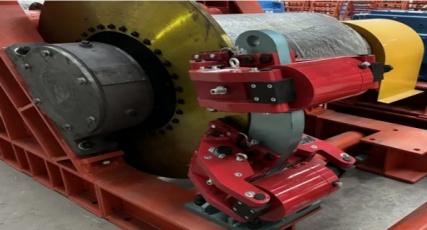
Tracking problems are another common issue that mining operations face. Conveyor belt tracking refers to the alignment of the belt as it moves along the system. If the belt becomes misaligned, it can cause it to veer off course, leading to damage to the belt edges, pulleys, and rollers.
Several factors contribute to tracking issues, including:
Improper Installation: If the conveyor system is not installed properly or if the components are misaligned from the start, the belt is more likely to drift out of alignment.
Uneven Loading: If material is loaded unevenly onto the conveyor, it can cause the belt to shift and track poorly. This can be due to a variety of factors, such as misaligned loading chutes or uneven distribution of material across the belt.
Worn-out Rollers or Pulleys: Just as with slippage, worn-out or damaged rollers and pulleys can lead to improper belt tracking. The surfaces may no longer provide enough support for the belt to remain centered.
Belt Wear: Over time, the edges of the conveyor belt may wear down unevenly, causing the belt to lose its ability to track properly.
Tracking problems can be just as costly as slippage. The potential costs associated with improper tracking include:
Belt Damage: If the belt moves off-center for extended periods, it can cause significant damage to the edges, leading to tears or holes. This can drastically reduce the lifespan of the belt and increase the frequency of replacements.
Increased Maintenance Costs: Misaligned belts place undue stress on other components such as pulleys, rollers, and the frame itself. This results in the need for more frequent maintenance and higher repair costs.
Material Loss: As the belt shifts off-course, it can cause the material being transported to fall off the sides, leading to material loss. This is particularly problematic in the mining industry, where every bit of material counts.
Reduced Safety: Conveyor belts that are not properly tracked can present safety hazards. Misalignment can cause unexpected belt movement, leading to damage to surrounding equipment or even personal injury to workers.
Regular Maintenance and Monitoring: A well-maintained conveyor system is less likely to experience slippage or tracking issues. Regular checks on the tension, pulleys, rollers, and belt condition can help identify early signs of wear or misalignment. Routine maintenance can prevent major issues before they escalate and can also help optimize the system’s efficiency.
Belt Tensioning: Ensuring that the conveyor belt is properly tensioned is key to preventing slippage. If the tension is too loose, the belt may slip, whereas too much tension can cause unnecessary stress on the system. Monitoring and adjusting the tension as needed can help maintain optimal performance and prevent slippage.
Investing in High-Quality Conveyor Components: Choosing high-quality pulleys, rollers, and belts specifically designed for mining environments can greatly reduce the likelihood of slippage and tracking issues. The right materials can provide better friction, increased durability, and improved belt tracking, even under extreme conditions.
Adjustable Trackers for Better Alignment: Installing adjustable trackers on the conveyor system allows for more precise alignment of the belt. These trackers ensure that the belt stays centered, even if there are slight misalignments in the system. This feature is particularly useful for reducing tracking issues, especially in custom installations or irregular frame structures.
Proper Loading Techniques: Ensuring that material is loaded evenly onto the conveyor belt can help prevent tracking issues. Using load dividers and monitoring equipment to ensure uniform material distribution can reduce the chances of uneven loading and misalignment.
Regularly Check for Wear and Replace Components: Conveyor system components such as pulleys and rollers wear down over time. Regular checks and timely replacements can help avoid unnecessary wear on the belt and reduce the risk of slippage and tracking problems. It is also essential to replace belts that show signs of significant damage or wear.
At www.kwyconveyor.com, we are committed to providing high-performance, durable conveyor systems designed to handle the tough demands of the mining industry. With years of experience in manufacturing conveyors, we specialize in providing solutions that address slippage and tracking problems, ensuring smooth and efficient material handling.
Our www.kwyconveyor.com systems are built with the latest technology, ensuring long-lasting durability and performance. Whether you're looking for a reliable conveyor belt for heavy-duty mining operations or need custom components to optimize your system, we offer tailored solutions to meet your specific needs.
If you're experiencing slippage or tracking problems with your current conveyor system, our team at www.kwyconveyor.com is ready to help you find the right solution. From belt tensioning to custom adjustments, we offer expert guidance and high-quality components to get your system back on track.
Slippage and tracking problems can severely impact the efficiency and safety of your mining operations. Addressing these issues with the right solutions is not only crucial for reducing downtime and maintenance costs but also for improving overall productivity. By investing in high-quality components and regularly maintaining your conveyor systems, you can ensure that your belts operate smoothly and effectively.
If you're looking to improve the performance of your mining conveyor system and avoid costly slippage or tracking problems, visit www.kwyconveyor.com to learn more about our solutions. Our team is ready to help you optimize your system for maximum efficiency and reliability.
For more information, feel free to contact us today. Let www.kwyconveyor.com be your trusted partner in solving all your conveyor belt challenges.


