
Views: 0 Author: Site Editor Publish Time: 2025-12-13 Origin: Site


In the mining industry, the efficient handling of materials is crucial to maintaining smooth operations, reducing downtime, and ensuring the overall safety of the workforce. One of the most innovative solutions that has revolutionized material handling is the use of mining conveyor belts. These belts have become an indispensable part of both underground and surface mining operations, providing a streamlined and cost-effective method of transporting materials, whether it’s for extracting raw materials or moving mined resources to processing plants.
At Kwy Conveyor, we understand the vital role conveyor belts play in mining operations. They are designed to handle the extreme conditions of mining environments while providing flexibility, durability, and performance. In this article, we will explore how mining belts have transformed material handling in both underground and surface mining operations, highlighting their advantages from a cost-effectiveness perspective and discussing how investing in quality conveyor systems can significantly boost mining productivity.
Mining conveyor belts are designed to transport materials efficiently across long distances, often in rugged, challenging environments. These belts come in different forms, depending on the type of materials being transported, the scale of the operation, and the specific needs of the mine. In both surface and underground mining operations, conveyor belts have proven to be an essential part of the mining infrastructure.
The primary role of mining conveyor belts is to move mined materials from one location to another with minimal manual labor. This can range from transporting ore to processing plants, moving waste materials, or transferring resources between different stages of the mining process. The conveyor system provides a continuous flow of materials, ensuring that operations remain streamlined and efficient.
The evolution of conveyor technology has made these systems more efficient, cost-effective, and safer, allowing mining companies to focus on other aspects of their operations, such as extraction and processing, without having to worry about delays caused by material handling issues.
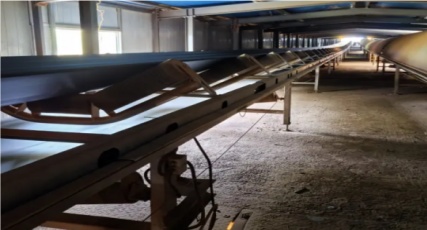
In underground mining, the environment is far more challenging than in surface mining. The confined space, dust, moisture, and sometimes hazardous gases make it difficult to use traditional methods for material transport. Mining conveyor belts provide a solution that addresses these challenges, ensuring materials are moved efficiently without putting workers at risk.
Space Limitations: Underground mines have confined spaces that require compact and reliable material handling solutions. The conveyor system must fit within narrow tunnels and be able to handle the weight of materials over long distances.
Safety Concerns: Safety is a top priority in underground mining. Conveyor belts reduce the need for manual labor in hazardous conditions, minimizing the risk of worker injury.
Harsh Environment: Underground mines often deal with wet and harsh conditions, which can affect equipment durability. Conveyor belts used in these operations must be able to withstand these conditions and keep running efficiently.
Mining conveyor belts in underground mining are designed to be durable, compact, and able to handle the unique challenges of confined spaces. They are built to handle the weight of mined materials and can carry materials across long distances, even in the most difficult of environments.
The belts used in underground operations often feature enhanced safety features, such as flame-retardant materials, dust suppression systems, and self-cleaning capabilities. These systems reduce the risk of accidents and ensure that mining operations continue smoothly. Additionally, they are equipped with monitoring systems that track belt performance, allowing operators to detect and resolve issues before they lead to downtime.
From a cost-effectiveness perspective, mining conveyor belts are an investment that pays off by improving safety, reducing labor costs, and minimizing the risk of damage to both the materials and the mining equipment. The durability and reliability of conveyor systems in underground mines contribute to a more efficient operation and a safer working environment for miners.
In surface mining, where large-scale operations take place and materials are moved across vast areas, conveyor belts provide unmatched efficiency and flexibility. Conveyor systems can span long distances, moving materials from extraction points to processing plants or stockpiles, minimizing the need for hauling trucks, which can be costly and time-consuming.
Challenges in Surface Mining:
Material Transport Across Large Distances: Surface mines often involve vast expanses, and transporting materials by truck can become inefficient and expensive. Conveyor systems provide a much more efficient alternative.
Heavy Load Handling: Surface mining often involves heavy materials, such as coal, stone, or minerals. Conveyor systems must be able to handle these materials without breaking down or causing delays.
Weather and Environmental Conditions: Conveyor belts used in surface mining must be able to withstand extreme weather conditions, including rain, heat, and snow. The materials they transport can also be abrasive, meaning the conveyor belts must be durable enough to withstand constant friction and wear.
Mining conveyor belts used in surface mining are typically larger, more robust, and more flexible than their underground counterparts. They can span great distances and carry large volumes of material at a constant rate, ensuring that the mining operation runs smoothly and efficiently.
The design of conveyor systems for surface mining is focused on maximizing material throughput while minimizing operational costs. Modern mining conveyor belts feature high-strength materials that can handle abrasive materials, reducing wear and extending the life of the system. These belts also feature advanced monitoring systems to track belt performance and predict maintenance needs, ensuring minimal downtime.
From a cost-effectiveness perspective, mining conveyor belts reduce the need for expensive hauling trucks and the associated labor costs. They also allow for continuous material flow, reducing the time spent transporting materials and improving overall productivity.
The continuous operation of mining conveyor belts ensures that materials are transported efficiently from one point to another. This reduces the downtime that occurs when materials are handled manually or using less efficient transport methods, allowing the mining process to remain uninterrupted.
By automating the material handling process, mining conveyor belts reduce the need for workers to be exposed to hazardous conditions, especially in underground operations. This leads to a safer working environment, with fewer accidents and injuries.
While the initial investment in conveyor systems can be significant, the long-term cost savings are substantial. Conveyor belts reduce the need for manual labor and hauling equipment, lower fuel costs, and minimize the risk of material loss or damage. Furthermore, their durability and efficiency lead to fewer maintenance issues, ultimately saving money on repairs and replacements.
Mining conveyor belts can be tailored to fit the specific needs of any mining operation. Whether you're dealing with heavy materials in surface mining or confined spaces in underground operations, conveyor systems can be customized to fit your requirements. From belt material to conveyor design, there is a solution for every mining challenge.
Conveyor belts also have a positive environmental impact. By reducing the reliance on trucks for material transportation, conveyor systems help reduce fuel consumption and carbon emissions. Additionally, modern conveyor systems are designed to minimize dust and waste, improving the overall environmental footprint of mining operations.
www.kwyconveyor.com are an essential component of modern mining operations, offering efficiency, safety, and cost-effectiveness. Whether in underground or surface mining, conveyor systems streamline material handling, reduce labor costs, and improve the overall productivity of the operation. By investing in high-quality conveyor systems, mining companies can ensure that their operations run smoothly and efficiently.
If you’re looking to optimize your mining operations with reliable and durable conveyor systems, www.kwyconveyor.com is here to help. We offer tailored solutions that can handle even the toughest mining environments and material handling needs.
1. What materials can mining conveyor belts transport?
Mining conveyor belts can transport a variety of materials, including ores, coal, minerals, and waste. They are designed to handle both light and heavy materials, making them versatile for all types of mining operations.
2. How long do mining conveyor belts typically last?
The lifespan of a mining conveyor belt depends on several factors, including the material being transported, the environmental conditions, and the maintenance schedule. With proper care, mining conveyor belts can last for many years before requiring replacement.
3. Can mining conveyor belts be customized for specific needs?
Yes, mining conveyor belts can be customized to meet the specific needs of your operation. Whether it’s adjusting the belt material, width, or length, Kwy Conveyor offers solutions tailored to your unique requirements.
4. How do I maintain mining conveyor belts?
Regular maintenance of mining conveyor belts includes checking for wear and tear, ensuring proper tension, and inspecting components such as pulleys and rollers. Proper maintenance will extend the lifespan of your conveyor system and prevent downtime.


