
Views: 0 Author: Site Editor Publish Time: 2025-11-10 Origin: Site


Mining conveyors are essential for efficient material handling in mining operations. They keep materials moving smoothly, driving productivity. However, like all mechanical systems, conveyors need regular maintenance to perform at their best.
In this article, we'll explore the best practices for mining conveyor maintenance, offering insights to help reduce downtime and keep your operations running efficiently. You'll learn actionable tips to ensure your conveyor system operates seamlessly.
Mining conveyor systems are a critical component of mining operations, often running continuously to handle large volumes of materials under challenging conditions. Due to their constant usage, they are subject to significant wear and tear, making regular maintenance essential. Regularly maintained conveyor systems not only enhance operational efficiency but also play a crucial role in reducing the likelihood of system failures and avoiding costly repairs. Maintenance is key to ensuring smooth operation, preventing breakdowns, and optimizing the longevity of the system. In this section, we will discuss the significance of performing routine checks and maintenance to avoid costly repairs and downtime.
A well-maintained mining conveyor system is a dependable part of the operational flow, reducing the risk of unexpected breakdowns that can halt production. Regular inspections and maintenance allow maintenance teams to detect early signs of wear and potential issues before they escalate into major problems. By identifying and addressing minor malfunctions or damaged components early, the system can run smoothly without disruption. Timely interventions minimize unexpected delays, keeping the operation on track and reducing the need for emergency repairs. This level of reliability ensures that mining operations continue without costly interruptions, ultimately improving the overall productivity of the operation.
Routine maintenance plays a significant role in identifying and addressing issues before they turn into costly repairs. Worn-out components, such as damaged rollers or cracked belts, are more easily replaced during regular maintenance checks, avoiding the need for emergency fixes. By being proactive and addressing issues promptly, mining companies can avoid the high costs associated with sudden breakdowns, which often lead to expensive repairs, production halts, and even equipment replacements. Regular maintenance helps extend the lifespan of key components, thereby reducing the need for extensive, costly repairs. This practice ultimately saves significant amounts of money in the long term.
Mining conveyor systems are integral to maintaining a safe working environment. Malfunctioning or poorly maintained conveyors can result in safety hazards, including conveyor belt failures or sudden malfunctions that could endanger workers. Regular maintenance ensures that the system operates optimally and any potentially dangerous issues are addressed before they pose a risk to personnel. This proactive approach helps reduce the likelihood of workplace accidents such as falls, conveyor malfunctions, or injuries caused by broken or misaligned components. By ensuring conveyors are in top condition, mining companies not only safeguard their equipment but also provide a safer working environment for their employees, reducing the risk of workplace accidents.
While regular maintenance can significantly reduce the chances of problems, mining conveyors are still vulnerable to several common issues. Understanding these problems and knowing how to address them proactively is essential for maintaining system performance. The following sections discuss the most common conveyor issues and provide preventive measures to help improve efficiency and reduce the likelihood of costly breakdowns.
Belt misalignment is a common issue in mining conveyor systems, where the belt drifts off course, causing uneven material distribution, increased wear, and inefficient operation. Misalignment is typically caused by factors such as improper loading, damaged rollers, or worn-out pulleys. Over time, misalignment can result in severe damage to the belt, reducing its lifespan and increasing maintenance costs. To prevent this issue, it is essential to ensure that all conveyor components are properly aligned. Installing self-tracking systems can also help automatically adjust the belt during operation, reducing manual intervention and preventing tracking problems.
Conveyor belt slippage occurs when the belt fails to maintain proper tension or becomes contaminated, resulting in inefficient material handling. Insufficient tension or worn pulleys can cause the belt to slip, leading to poor operational efficiency and inconsistent material flow. Regularly inspecting and adjusting belt tension is crucial for preventing slippage. Furthermore, maintaining clean pulleys and ensuring that they are free from debris or material buildup can prevent slippage and ensure smooth and efficient belt operation. Regular tension checks and pulley maintenance will help ensure that the conveyor runs smoothly without unnecessary disruptions.
Material spillage is another common issue that can arise from improper conveyor maintenance. Spillage occurs when bulk materials fall off the belt or spill into the system due to poorly maintained components. This not only reduces system efficiency but also creates safety hazards by increasing the risk of accidents. To minimize spillage, it is essential to install impact cradles, skirting systems, and properly aligned transfer points. These measures help contain the materials during transport and prevent them from falling off the belt. Regularly checking and adjusting these components can significantly reduce spillage and improve operational efficiency.
Debris accumulation is a major problem that can hinder the performance of mining conveyor systems. Dust, dirt, and material residue can accumulate on the belt, rollers, and pulleys, causing friction, wear, and reduced efficiency. Over time, this debris buildup can lead to conveyor malfunctions, increased maintenance costs, and potential breakdowns. To prevent debris accumulation, it is essential to implement a regular cleaning routine and install belt scrapers and sealing systems. These systems help remove debris and material buildup from the conveyor components, ensuring smooth operation and extending the lifespan of the system.
A comprehensive conveyor maintenance program includes daily, weekly, monthly, and annual tasks. Below are the essential maintenance practices that ensure your mining conveyor system operates at peak efficiency.
Daily checks are essential to catch early signs of wear and potential issues. Here's a quick checklist for daily conveyor inspections:
Inspect the belt for visible damage, such as cuts, cracks, or excessive wear.
Check for debris buildup on the belt, pulleys, and rollers.
Listen for unusual noises that might indicate misalignment or faulty rollers.
Verify the belt's tracking to ensure it remains centered.
Check the tension to ensure it is properly adjusted.
Weekly and monthly tasks provide a more in-depth inspection and preventive measures. These tasks include:
Inspecting rollers, idlers, and pulleys for wear or corrosion.
Examining the drive system (motors, gearboxes) for overheating or leaks.
Checking loading and transfer points for spillage or uneven material distribution.
Testing belt cleaners and scrapers to ensure effective removal of carryback.
At least once a year, a detailed inspection and overhaul of the conveyor system are necessary. This includes:
Conducting a thorough inspection of the belt and conveyor components.
Lubricating bearings, rollers, motors, and other moving parts.
Replacing worn-out or damaged components (e.g., idlers, pulleys, rollers).
Checking all structural elements for misalignment and ensuring proper tracking.
A preventive maintenance program is the best way to ensure that a mining conveyor system runs smoothly and efficiently. By implementing a structured and well-planned approach to maintenance, mining operations can reduce downtime, improve system efficiency, and extend the life of their conveyor equipment. A well-established preventive maintenance program should include a clear schedule of tasks, staff training, and the use of advanced monitoring technologies to detect potential failures before they occur.
Establishing a maintenance schedule based on the manufacturer's recommendations and the conveyor's usage is crucial for ensuring that all necessary tasks are performed at the right intervals. A comprehensive maintenance schedule should include daily, weekly, monthly, and annual checks depending on the system’s condition and operational requirements. Adhering to this schedule ensures that the conveyor system receives timely attention and preventive measures, helping avoid potential breakdowns and reducing costly repairs.
Proper staff training is essential for the successful implementation of a preventive maintenance program. A well-trained maintenance team can identify and address issues early, preventing costly mistakes and ensuring that the conveyor system remains in top condition. Staff should be trained in the correct procedures for conveyor belt tensioning, alignment, and safety practices. This knowledge ensures that the maintenance team can perform tasks efficiently and effectively, minimizing downtime and keeping the conveyor system running smoothly.
Integrating advanced monitoring technologies can significantly enhance the effectiveness of a preventive maintenance program. Technologies such as vibration analysis, thermal imaging, and misalignment sensors provide real-time data on conveyor performance. These tools allow operators to detect potential issues before they lead to failures, enabling proactive maintenance and reducing unplanned downtime. By incorporating these technologies into a preventive maintenance program, mining operations can further improve system reliability and reduce the risk of unexpected breakdowns.
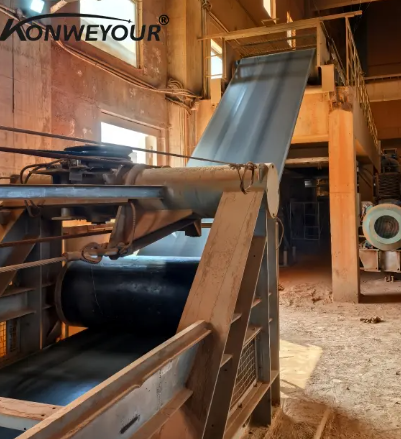
Even with regular maintenance, conveyor belt failures can still occur. It's essential to be prepared with troubleshooting steps to address common issues when they arise, as they can lead to extended downtime and disrupted operations. By understanding the typical failures and how to resolve them, mining operations can mitigate the impact of these issues and keep production running smoothly. In the following sections, we explore several common conveyor belt failures and the appropriate steps to address them quickly and effectively, minimizing downtime and maintaining optimal operational efficiency.
Roller seizure is a common issue that occurs when the rollers of the conveyor belt system fail to rotate, often due to excessive buildup of material, dust, or grease, or due to mechanical damage. This leads to increased friction, which can significantly wear out the conveyor belt, reducing its lifespan and causing further operational inefficiencies. When rollers seize, they restrict the movement of the belt, causing jams, uneven material transport, and strain on other parts of the conveyor system. To prevent roller seizure, regular inspections should be carried out to identify any early signs of buildup or damage. Timely replacement of faulty or damaged rollers, as well as the implementation of regular cleaning practices, will help maintain smooth rotation and ensure that the system operates without disruptions. A well-maintained roller system will contribute to the overall efficiency and longevity of the conveyor belt.
Debris accumulation on conveyor belt components, such as rollers, pulleys, and the belt itself, is another common issue that can lead to malfunctions and increased friction. Over time, dust, dirt, and material residue from the transported goods can build up and clog up critical parts of the system. This debris can lead to wear and tear, causing the components to operate inefficiently and potentially fail. The buildup of material also creates friction between moving parts, resulting in unnecessary strain and reduced system efficiency. To address this issue, it is crucial to install effective cleaning systems such as belt scrapers and dust collection units that can remove debris as it accumulates. Regular cleaning and maintenance will ensure smooth operation, reduce friction, and extend the life of the conveyor system. Additionally, keeping the system clean helps prevent material spillage and keeps the belt from becoming overloaded with excess waste, improving overall efficiency and reducing downtime caused by clogging.
Conveyor belts, particularly those used in high-load environments, will inevitably experience wear and tear over time. Constant friction, exposure to harsh conditions, and heavy material loads can cause the belt to degrade. This wear can manifest as cracks, cuts, or thinning areas on the belt, which, if left unaddressed, can lead to complete system failure. As the belt wears, it becomes more susceptible to slipping, misalignment, and breakage, which can lead to costly repairs and production delays. To manage wear and tear effectively, routine inspections are essential to identify any signs of damage before they become more serious. Regularly replacing worn-out belts and checking for cracks or cuts can help prevent catastrophic failures. Proactively maintaining the belt system by replacing components that show signs of wear can extend the life of the conveyor and ensure consistent operation. A well-managed wear and tear program reduces the risk of unexpected failures, improving system reliability and reducing repair costs over time.
The long-term benefits of proper mining conveyor maintenance are substantial. While regular maintenance may seem like an ongoing expense, it actually leads to significant cost savings by reducing downtime, preventing unexpected failures, and extending the life of the conveyor system. By investing in a comprehensive maintenance strategy, mining companies can ensure that their equipment is running efficiently, thus minimizing the need for costly repairs and increasing the return on investment (ROI). The savings from reduced repairs, enhanced system performance, and fewer emergency interventions make a well-maintained conveyor system a wise investment for any mining operation.
One of the key advantages of preventive maintenance is its ability to reduce long-term operational costs. Mining conveyors that are properly maintained experience fewer unexpected breakdowns, which are often the result of neglected maintenance. When breakdowns occur, the costs of emergency repairs, labor, and lost production time can add up quickly. By performing regular checks and addressing minor issues before they escalate, mining operations can minimize these unexpected expenses. Proactive maintenance ensures that conveyor systems continue to operate efficiently, reducing the likelihood of system failures that can cause significant production delays. Over time, the cost of regular maintenance is much lower than the costs associated with major repairs or complete system overhauls. As such, maintaining conveyor systems regularly is a cost-effective strategy that helps avoid expensive fixes and keeps operations running smoothly.
Investing in a routine preventive maintenance program provides a strong return on investment (ROI). While it requires upfront time and financial commitment, the benefits far outweigh the costs. A preventive maintenance plan helps avoid emergency repair costs, which can be significantly higher than routine maintenance tasks. By maintaining conveyors proactively, mining companies reduce the frequency and severity of breakdowns, which means fewer disruptions to production and less downtime. Well-maintained conveyor systems also operate more efficiently, reducing energy consumption and increasing overall productivity. The combination of reduced repair costs, improved efficiency, and extended system lifespan results in a high ROI. Companies that invest in preventive maintenance are not only improving the reliability of their equipment but also ensuring a more profitable and efficient operation in the long term.
Another major benefit of regular maintenance is the ability to extend the lifespan of mining conveyors. A well-maintained system can continue to operate for many years, significantly reducing the need for frequent replacements. Conveyor belts and components, when regularly checked and properly maintained, can endure the wear and tear of high-demand environments without needing constant replacements. By replacing parts only when necessary and ensuring that the system runs smoothly, mining companies can maximize the return on their investment in equipment. This extends the useful life of the conveyor system, ultimately reducing the frequency of costly upgrades and replacements. With a longer operational lifespan, mining companies benefit from reduced capital expenditures, lower labor costs, and increased equipment efficiency. Therefore, investing in proper maintenance is a cost-effective way to extend the life of conveyor systems and ensure long-term operational success.
Regular mining conveyor maintenance is essential for long-term system efficiency and reliability. By adopting best practices, implementing a preventive maintenance plan, and addressing common issues promptly, mining operations can prevent costly repairs, minimize downtime, and enhance safety.
A comprehensive maintenance strategy will not only extend the life of conveyor systems but also boost overall productivity, making it a valuable investment for any mining operation. For optimal performance and reliability, Konweyour offers high-quality conveyor systems that provide long-lasting value to your operations.
A: Best practices for mining conveyor belt care include regular inspections, maintaining proper tension, and ensuring proper alignment. Implementing a preventive maintenance plan is essential to avoid unexpected downtime.
A: Regular maintenance, such as cleaning the belt, inspecting rollers, and adjusting tension, helps extend the lifespan of coal mining conveyor systems. Proactive upkeep reduces wear and prevents costly breakdowns.
A: Regular maintenance ensures optimal performance, reduces downtime, prevents costly repairs, and extends the lifespan of mining conveyors, including coal mining conveyor systems.


