
Views: 0 Author: Site Editor Publish Time: 2025-11-11 Origin: Site


Mining conveyor belts are the backbone of material transport in mining operations. Without them, the flow of ore and coal would grind to a halt. In this article, we will explore the different types of mining conveyor belts, their key applications, and how to choose the right one for your needs. You'll learn what factors to consider to optimize efficiency and reduce costs.
A mining conveyor belt is a critical component that transports materials from one location to another within a mining operation. These belts are designed to handle the demanding conditions of mining environments, including extreme temperatures, heavy loads, and abrasive materials. Conveyor belts in mining systems typically consist of durable materials such as rubber, fabric, and steel, offering a combination of strength, flexibility, and wear resistance.
Mining conveyor belts are powered by electric motors and are essential for maintaining continuous material flow, whether in surface mining or underground operations. The right selection ensures efficient transport, reducing downtime and maintenance costs.
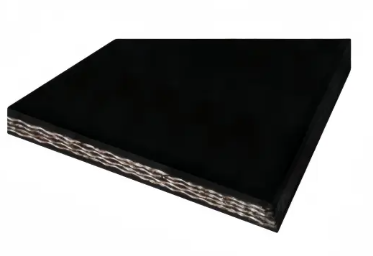
Multi-ply conveyor belts are one of the most commonly used types in mining operations. These belts consist of multiple layers of fabric, each coated with rubber, making them resilient to heavy loads and impacts. They are highly durable and well-suited for underground mining operations, where space constraints and the need for long-lasting equipment are critical.
Durability: Can withstand the abrasion and impact of heavy materials.
Cost-effectiveness: Longer service life reduces replacement and maintenance costs.
Flexibility: Available in various configurations for different mining environments.
Applications: Multi-ply belts are ideal for applications where material handling involves abrasive materials such as coal, minerals, or rocks. Their flexibility makes them suitable for both surface and underground mining.
Straight-warp conveyor belts are engineered for specialized applications where impact resistance and high strength are crucial. These belts use a construction that interweaves yarns and polyamide fabrics, which increases their ability to withstand extreme conditions. Straight-warp belts provide superior impact and tear resistance compared to traditional multi-ply belts.
High impact resistance: Suitable for handling sharp and heavy materials.
Increased durability: Lower maintenance costs due to fewer replacements.
Space efficiency: Designed for use in narrower spaces with higher load ratings.
Applications: These belts are perfect for mining operations such as tunneling, rock quarries, and crushing operations where high strength and the ability to handle harsh conditions are essential.
Steel-cord conveyor belts incorporate steel cables running along the length of the belt, providing superior tensile strength. These belts are ideal for long-distance, heavy-load mining applications. Steel-cord belts can transport materials over vast distances without losing efficiency or strength.
Exceptional strength: Can handle extremely heavy loads without stretching or breaking.
Long-distance transport: Suitable for large-scale mining operations where long-distance transportation is required.
High load capacity: Capable of handling bulk materials like coal and ore efficiently.
Applications: Steel-cord belts are best for large mining operations where materials need to be transported across long distances. They are commonly used in open-pit mines and for transporting materials to and from processing plants.
In mining environments where high temperatures are a factor—such as in smelting or coal mining—heat-resistant conveyor belts are required. These belts are designed to withstand high-temperature conditions and prevent degradation due to heat exposure.
Temperature resistance: Can operate effectively in environments with extreme heat.
Reduced wear: Prevents breakdowns in hot environments, prolonging the belt's lifespan.
Applications: Heat-resistant belts are widely used in operations involving the transportation of hot materials like coal, molten metals, or ores from smelting processes.
When selecting a mining conveyor belt, it's crucial to consider the type of material being transported. Different materials have different weight, abrasiveness, moisture content, and chemical properties, all of which can affect the performance of the belt.
Abrasiveness: For highly abrasive materials like crushed rock or iron ore, a more durable belt with reinforced layers is required.
Moisture content: Wet materials can degrade belts more quickly, requiring water-resistant and more robust options.
Tip: Always match the belt's material composition to the material being transported to ensure the belt's longevity and reduce operational costs.
The operational environment plays a significant role in conveyor belt selection. Factors such as underground vs. surface mining, temperature fluctuations, and exposure to weather conditions must be taken into account.
Underground operations: Require belts that meet fire resistance standards due to the high risk of fire hazards.
Surface mining: May require belts that resist UV exposure and extreme weather conditions.
Note: Pay special attention to underground mining operations, where fire-resistant belts are mandatory for safety.
Understanding the specific needs of your mining operation is vital. Consider the required throughput capacity, belt speed, and incline/decline angles in your conveyor system. These factors will determine the load-bearing capacity and speed requirements of the belt.
Throughput capacity: Measured in tons per hour (TPH), this will dictate the width and strength of the belt.
Belt speed: Speed will impact productivity and should align with the overall system design.
Choosing the right mining conveyor belts is a crucial decision that impacts efficiency, safety, and cost-effectiveness in mining operations. Understanding the different types—multi-ply, straight-warp, steel-cord, and heat-resistant—helps you make informed decisions based on specific needs. Consider factors like material properties, operational environment, and throughput capacity for optimal performance. Consult with conveyor belt specialists, such as Konweyour, to ensure you choose the best belt for your operation, boosting long-term success and reducing downtime.
A: Mining conveyor belts are specialized belts used to transport materials such as ore and coal within mining operations. They are designed to withstand harsh conditions, including heavy loads and extreme temperatures.
A: Common types of mining conveyor belts include multi-ply, steel-cord, straight-warp, and heat-resistant belts. Each is suited for different environments based on the material being transported and the specific operational needs.
A: Consider factors like material properties, environmental conditions, and required throughput capacity. Selecting the right belt ensures operational efficiency and longevity, reducing downtime and maintenance costs.


