
Views: 0 Author: Site Editor Publish Time: 2025-11-11 Origin: Site


Coal mining conveyor systems are crucial for the efficient transport of coal in mining operations. These systems move large volumes of coal from extraction points to processing areas with minimal disruption. In this article, we will explore the definition, types, benefits, and challenges of coal mining conveyor systems. You'll learn how these systems enhance mining efficiency and sustainability.
Coal mining conveyor systems are mechanical devices used to transport coal, ores, and other materials across various points within a mine site. These systems typically consist of belts or other mechanisms such as rollers and pulleys, which move materials over both short and long distances. Conveyor belts in mining are built to endure the harsh environment, including extreme temperatures, heavy loads, and frequent exposure to dust and moisture.
These conveyor systems are crucial for ensuring that mining operations remain productive and efficient, eliminating the need for manual labor or trucks, which can be costly and prone to delays. The design and function of coal mining conveyor systems allow them to move large quantities of coal quickly, reducing operational downtime and improving overall productivity.
The primary function of coal mining conveyor systems is to transport coal from the extraction point to the processing plant or storage areas. In large mines, conveyor systems serve as the backbone of the logistics chain, continuously moving materials from the mining face to the surface or to processing facilities without interruption. This eliminates the inefficiency of using trucks, which require frequent loading and unloading.
The system’s design allows it to handle high-capacity loads, transport materials over both horizontal and inclined terrains, and navigate through confined or expansive mining environments. This makes it an essential tool for improving both efficiency and safety in coal mining operations.
By automating the transport of coal, mining conveyor systems help reduce labor costs, minimize environmental impact, and enhance operational speed. Conveyor systems can operate 24/7, unlike trucks which have downtime due to refueling, maintenance, or weather conditions. This continuous operation leads to higher throughput and cost savings.
When selecting a conveyor system for coal mining operations, ensure that it is capable of handling the load capacity and environmental challenges of your mine site to optimize performance and minimize unexpected downtime.
Horizontal conveyors are ideal for transporting coal over long, flat distances. These systems use belts that run horizontally, transporting coal across expansive mine sites. Horizontal conveyor systems are best suited for mines where space allows the placement of large conveyor belts and where the terrain is relatively flat. For flat terrain, horizontal conveyors are highly efficient and cost-effective. However, they require significant space and can be less versatile than other types of conveyors for steep or mountainous terrains.
When coal mining takes place on hilly or mountainous terrain, high-incline conveyors become necessary. These systems are designed to move materials vertically, enabling efficient transport of coal up or down steep gradients. High-incline conveyors are often used in surface mining operations where steep inclines make traditional conveyor systems impractical. High-incline conveyor systems are crucial in surface mines with significant elevation changes. They allow for efficient vertical transport, but the system design must ensure that coal does not spill or get damaged during transit.
Pipe conveyor systems use interconnected pipes to transport coal, reducing the exposure of coal to dust and minimizing environmental impact. These enclosed systems are ideal for transporting coal through confined spaces or areas where dust control is a concern, such as near sensitive ecosystems. Pipe conveyors are great for reducing airborne coal dust, especially in areas with strict environmental regulations. They are more expensive to install but offer significant long-term environmental benefits.
For long-distance transportation, overland conveyor systems are the go-to solution. These systems are designed to handle the transportation of bulk materials like coal over varying terrains, sometimes extending for miles. Overland conveyors can cross difficult landscapes such as rivers, mountains, and valleys, making them suitable for large mining operations. Overland conveyors are ideal for transporting coal across long distances. Their robust construction ensures minimal maintenance in harsh conditions, but their installation requires careful planning and significant investment.
The heart of any coal mining conveyor system is the belt itself. Conveyor belts in coal mines are typically made from durable materials like rubber, steel, or polymer composites, which can withstand the weight and abrasiveness of coal. These belts are designed to be wear-resistant and flexible, enabling them to transport coal smoothly across long distances and through various environmental conditions.
Choose a conveyor belt material based on your mine's specific conditions. For high-temperature environments, heat-resistant materials are essential, while corrosive environments require specialized coatings or materials.
Rollers and pulleys are critical components that help support and drive the conveyor belt. Rollers reduce friction, ensuring that the coal moves smoothly along the belt, while pulleys provide the power to move the belt forward. These components are strategically placed along the conveyor system to maintain proper tension and alignment. Regular maintenance of rollers and pulleys is necessary to prevent wear and misalignment, which can lead to decreased efficiency and increased maintenance costs.
The drive mechanism is responsible for moving the conveyor belt. It typically consists of motors, reducers, and couplings, which convert electrical energy into mechanical energy. The performance of the drive unit is crucial for ensuring the conveyor belt operates smoothly and efficiently, especially in high-load mining conditions.Ensure that the drive system can handle the required load capacity for your mine's operations. Energy-efficient drive systems can help reduce operational costs in the long run.
To ensure smooth operation, conveyor belts must maintain proper tension. Tensioning systems are used to keep the belt taut, preventing slippage and ensuring optimal movement of coal. Automatic tensioning systems are often used in modern mining operations for better precision and minimal manual intervention. Implement automatic tensioning systems in high-capacity conveyor systems to improve reliability and reduce the risk of downtime caused by belt slippage.
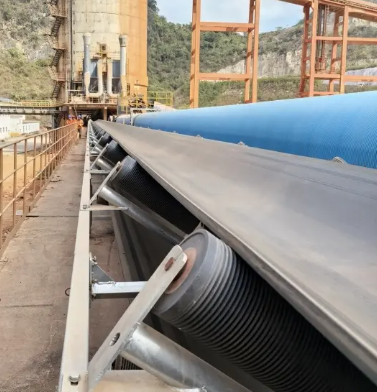
One of the primary benefits of using coal mining conveyor systems is increased operational efficiency. By automating coal transport, these systems allow mining operations to move materials continuously without the need for trucks or manual labor, which are less efficient and prone to delays. Invest in conveyor systems that match your mine’s production scale to ensure that coal transportation is fast, consistent, and reliable.
While the initial cost of installing a coal mining conveyor system can be high, the long-term savings in operational costs are significant. Conveyors reduce the need for manual labor, minimize the wear and tear on trucks, and lower fuel costs, all of which contribute to reduced overall expenses. Look at the total cost of ownership, including maintenance and energy use, when evaluating different conveyor system options. A higher initial investment in a durable system may pay off through reduced operational costs.
Coal mining conveyor systems are more environmentally friendly compared to trucks, which produce emissions and consume fuel. Conveyors reduce carbon emissions by operating on electricity rather than diesel, making them a more sustainable option for transporting coal over long distances. Consider implementing energy-efficient conveyor systems to not only reduce operational costs but also minimize the environmental footprint of your mining operations.
Coal mining occurs in challenging environments, where conveyor systems face exposure to abrasive coal, extreme temperatures, and high humidity. These conditions can cause wear and tear, requiring frequent maintenance and sometimes leading to system failure if not properly managed. Choose conveyor systems designed for the specific environmental conditions of your mine, whether that involves high temperatures, moisture, or abrasive materials.
Despite their robustness, conveyor systems require regular maintenance to ensure they function at peak performance. Conveyor belts, pulleys, and other components can wear out, especially in high-load environments, which can lead to production delays if maintenance is not performed regularly. Establish a preventive maintenance schedule to keep the conveyor system in optimal condition and avoid costly repairs or unplanned downtime.
Although conveyor systems are designed for reliability, unforeseen failures can occur, halting the entire mining operation. These failures can be due to system misalignment, broken components, or other issues that prevent the conveyor from running efficiently. Invest in monitoring systems that can detect potential failures before they occur, minimizing the risk of unexpected downtime and ensuring continuous production.
Recent advances in automation and smart monitoring systems have significantly improved the performance and reliability of coal mining conveyor systems. Sensors and real-time monitoring allow operators to track the condition of conveyor belts, preventing issues before they disrupt production. Adopt smart monitoring systems for your conveyor belts to enhance operational efficiency and reduce the risk of unexpected failures.
Modern conveyor systems are designed to be more energy-efficient, using less power while transporting large quantities of coal. Automated systems can adjust the speed of the conveyor based on the volume of coal being transported, optimizing energy use. Choose conveyor systems with energy-efficient features to reduce both your operational costs and carbon footprint.
Advancements in materials science have led to the development of more durable conveyor systems that can withstand the harsh mining conditions. High-strength materials, such as reinforced rubber or composite belts, offer improved resistance to abrasion, reducing maintenance costs and extending system lifespans. Look for conveyor systems made from advanced materials that enhance durability and reduce the frequency of replacements.
Coal mining conveyor systems are essential to modern mining operations, offering increased efficiency, reduced costs, and a more sustainable way to transport coal. With innovations in smart monitoring, automation, and energy efficiency, conveyor systems are poised to play an even more vital role in the future of mining. By selecting the right system for your operation, you can optimize production, reduce environmental impact, and improve overall safety in the mining industry.Regularly assess and upgrade your coal mining conveyor systems to keep up with technological advances and improve your operational efficiency. Konweyour offers advanced solutions for efficient coal mining conveyor systems. Their products provide unmatched reliability and innovative features, ensuring better performance and sustainability for mining operations.
A: Coal mining conveyor systems are mechanical systems used to transport coal from extraction points to processing plants or storage areas. These systems ensure continuous and efficient material handling, reducing manual labor.
A: Coal mining conveyor systems enhance efficiency by automating material transport, reducing labor costs, and minimizing environmental impact compared to traditional methods like truck transport.
A: Coal mining conveyor systems are equipment designed to move bulk coal across mining sites, offering an efficient and cost-effective alternative to manual handling or vehicle transport.


